


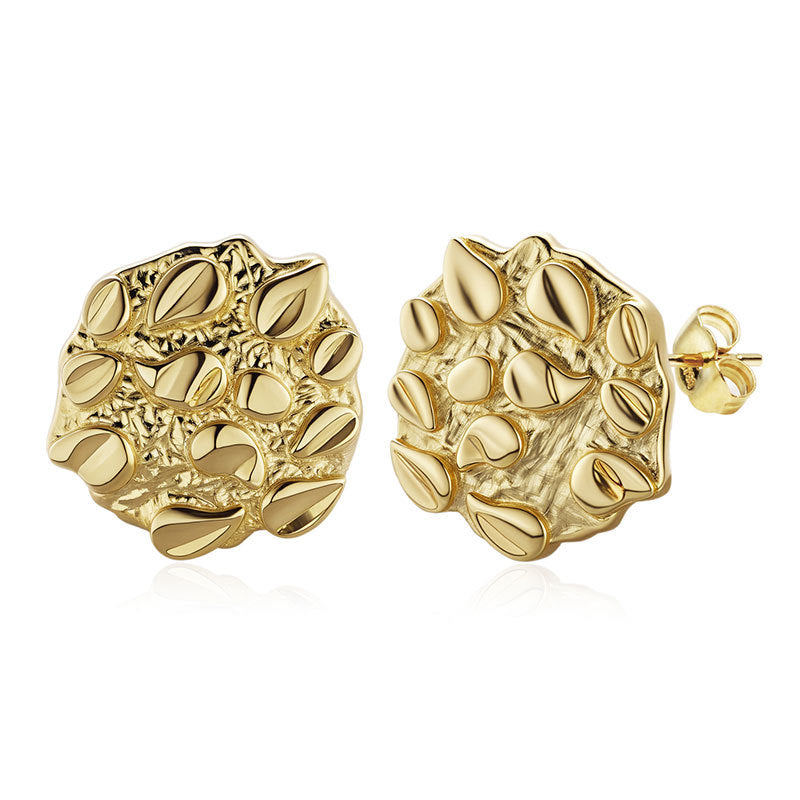
10K SOLID GOLD YELLOW NUGGET CLUSTER STUD EARRINGS
10K SOLID GOLD YELLOW NUGGET CLUSTER STUD EARRINGS
✨Timeless elegance that shines for every occasion.
🌬️ Lightweight design for effortless all-day wear.
🪡Meticulously crafted for a flawless, comfortable fit.
Bundle & Save here
Couldn't load pickup availability
Get it between - and -.

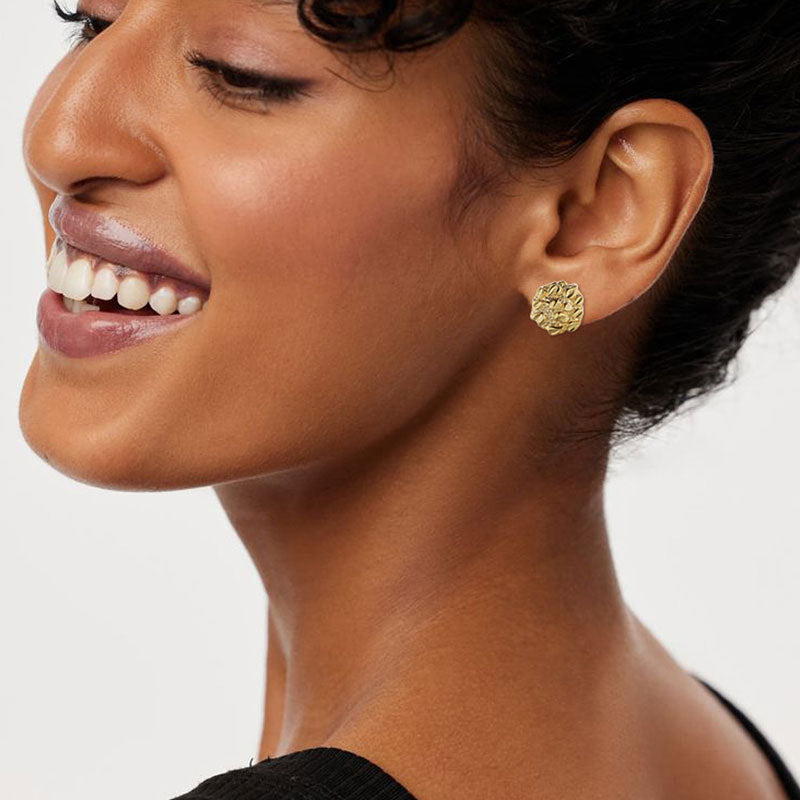
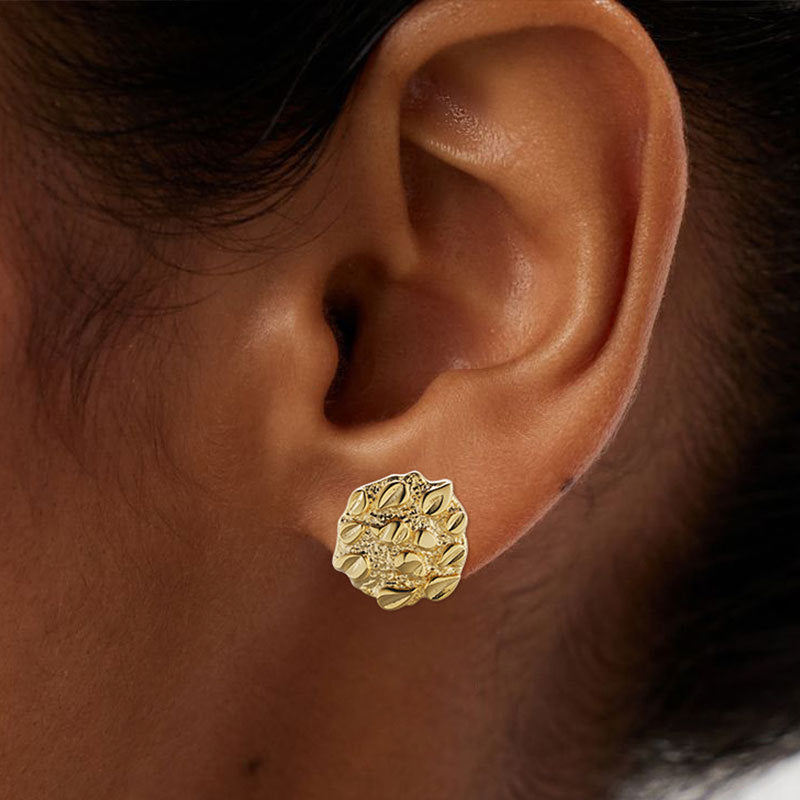
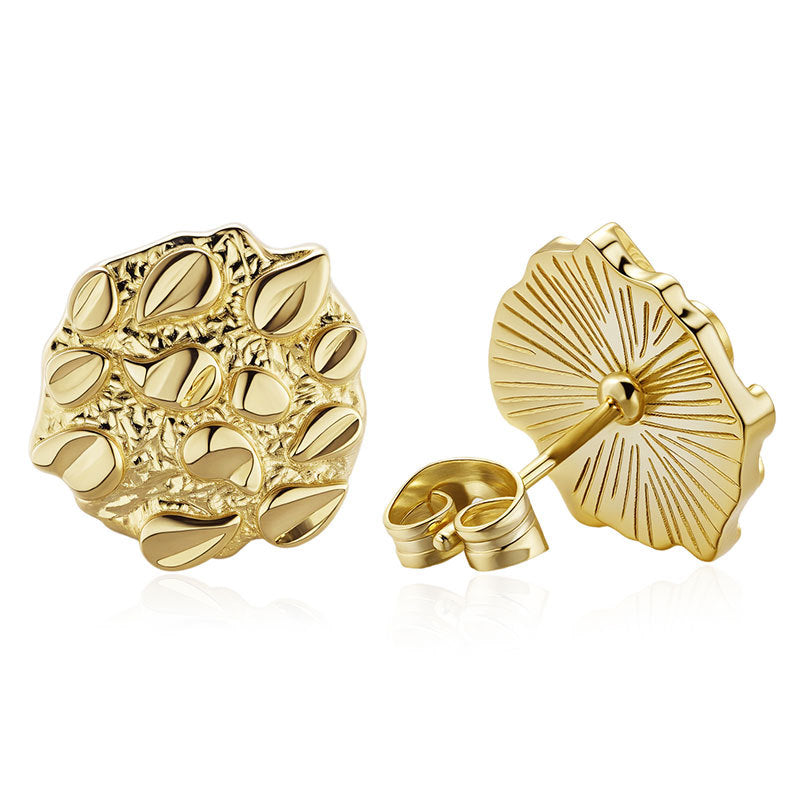
These 10k Gold Plated Round Rough Textured Cookie Nugget Stud Earrings are absolutely stunning and stylish. The unique textured design really sets them apart and adds a touch of bold sophistication to any look. They have the perfect balance of shine and elegance, making them ideal for both men and women. Despite their larger size, they feel lightweight and comfortable to wear all day. If you're looking for a statement piece that’s both fashionable and versatile, these earrings are a must-have!

Better that the ones at the Jewelry store. Ever since I received it I have been using as my go-to.

This was a Christmas gift for my daughter! She looked gorgeous wearing these earrings! She loved them!
Dazzling Gold Sparkle, Blooming by Your Ears
Every inch of 10K gold-plated brilliance shines with confidence and charm.
The unique Nugget Cluster design catches the light from every angle, blooming like a constellation of golden stars by your ears.
Whether you’re heading to work or a night out, these earrings make sure you’re the one who shines — effortlessly elegant, always radiant.
Durable 10K Gold Plating: Crafted with a thick layer of 10K gold over premium metal for long-lasting shine and wear resistance.

Elegant Texture,Made for Everyday
Wear
Designed to mimic the luxurious glow of solid gold, these 10k gold-plated earrings deliver the same elegance— at a fraction of the price.
Their lightweight, comfortable fit makes them perfect for daily wear, while the
Nugget Cluster texture adds a bold, edgy twist to any outfit.
Whether paired with jeans or an evening dress, they bring just the right touch of
golden sophistication.
Safe for Sensitive Skin: Hypoallergenic, nickel-free,and comfortable all day long.


| Our Brand | Others | |
|---|---|---|
Sustainable Sourcing of Precious Metals |
||
Inclusive Design Aesthetic |
||
Uncompromising Quality Assurance |
Our Clients Say
-

Love Everything About Store!
I'm so impressed with the quality and style. The earrings are so beautiful and high-quality. Each piece feels unique and makes me feel confident and stylish. Absolutely love them!
-

Exceptional Style and Service!
Customer service was outstanding-my questions were answered promptly, order arrived earlier than expected,beautifully packaged
-

Stylish and reliable store!
You’ve become my favorite spot for online fashion. The designs are clean, the earrings fit great, and the vibe’s just right. Highly recommend.


FAQ
Difference between 10k and 14K gold?
Gold jewelry is most commonly made in 10K and 14K alloys, due to pure gold (24K) being too soft for jewelry. Pure 24k gold is prone to denting, scratching, and bending making it unpractical for everyday wear. 14K gold is composed of 58.33% gold, while 10k is 41.67% gold. The other metals that can comprise a 10k or 14k gold chain are metals such as zinc, nickel or copper which give the gold more strength. 10K gold is 41.7% pure gold and 58.3% alloy, making 10K gold the strongest variety.
Yellow vs White vs Rose Gold?
The most common color of gold for jewelry is its natural shade of yellow, though, white and rose gold are also common. White gold is an alloy of yellow gold and a white metal such as silver, palladium, or platinum. Sometimes white gold is plated with rhodium to give it an even brighter appearance. Rose gold, sometimes called red or pink gold, is a gold-copper alloy that gives it a reddish hue.
How Do You Take Care of Your Gold Jewelry?
With a little care and maintenance, gold can last a lifetime. While cleaning some precautions need to be taken. Gold can be tarnished with harsh cleaning chemicals like vinegar or chlorine bleach. Gloves should be worn to protect both gold and skin. Gold jewelry should not be worn in swimming pools or spas as chlorine may also be present. To clean gold jewelry, mix a few drops of a mild dish detergent in a bowl of warm, but not hot, water. After soaking for a few minutes, brush with a soft bristle brush and buff dry with a polishing cloth.